
Why Deterrence and Compellence Failed Against Iran
War Reflects a Failure of Coercion?
DOI:
https://doi.org/10.54827/issn2764-7897.cebri2026.17.03.04.183-197.enKeywords:
US-Iran relations, coercive diplomacy, deterrence and compellence, asymmetric warfare, Middle East securityAbstract
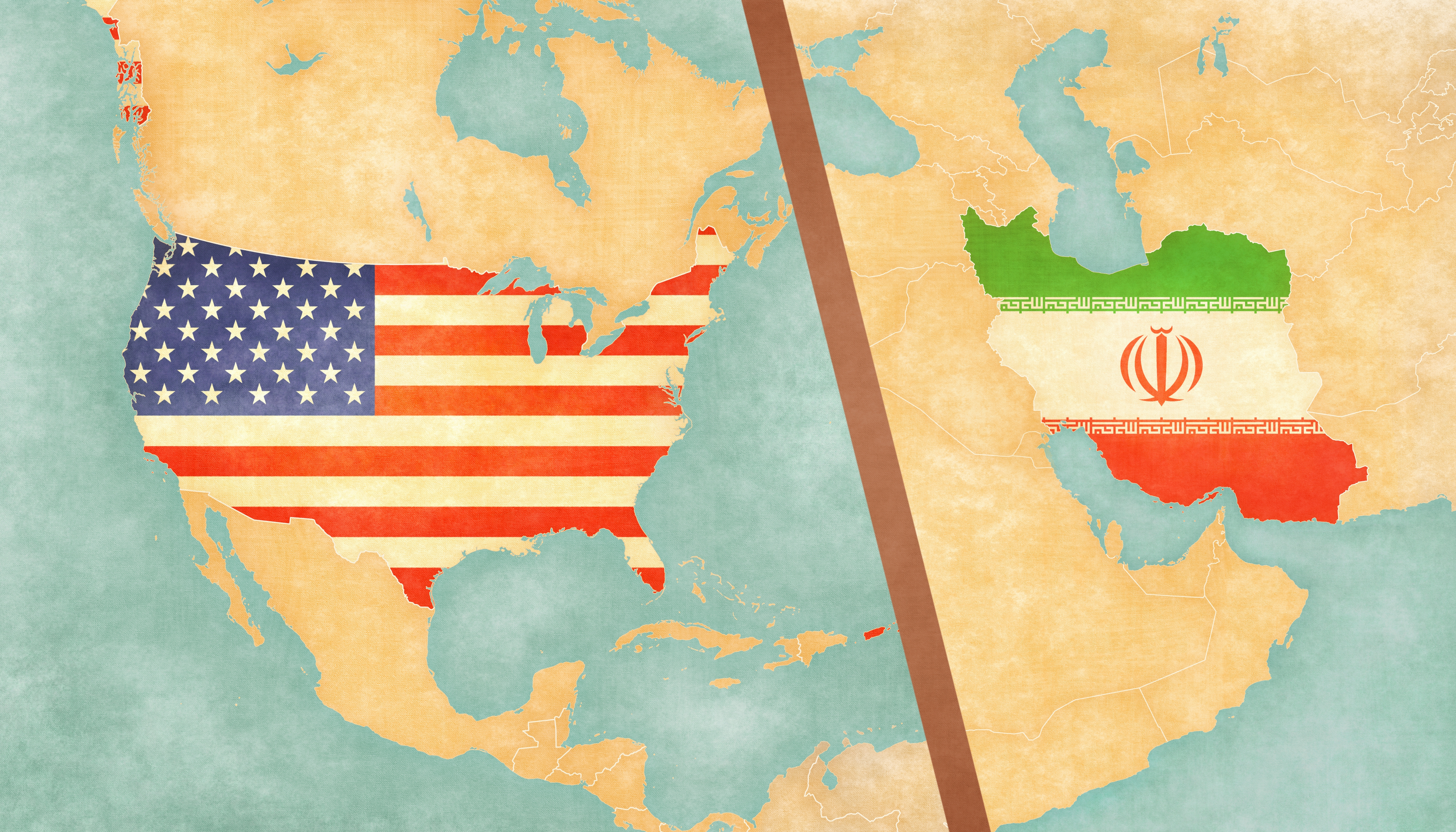
This article analyzes the US decision under President Trump to escalate military action against Iran in 2026 and the persistence of the ensuing conflict. It argues that the US strategy shifted from deterrence to compellence after decades of oscillating coercive policies that failed to alter Iranian behavior. The shift increased costs for Washington without securing compliance. Iran instead adapted and escalated, revealing structural limits in coercion when credibility, objectives, and asymmetric capabilities are misaligned.
Published
How to Cite
Issue
Section
License
Copyright (c) 2026 CEBRI-Revista: Brazilian Journal of International Affairs

This work is licensed under a Creative Commons Attribution 4.0 International License.
Os Direitos Autorais dos artigos publicados na CEBRI-Revista pertencem ao(s) seu(s) respectivo(s) autor(es), com os direitos de primeira publicação cedidos à CEBRI-Revista, com o trabalho simultaneamente licenciado sob uma Licença Creative Commons CC BY 4.0, a qual permite o compartilhamento do trabalho com reconhecimento da autoria e publicação inicial nesta revista.
O(s) autor(es) tem/têm autorização para assumir contratos adicionais separadamente, para distribuição não-exclusiva da versão do trabalho publicada nesta revista (ex.: publicar em repositório institucional ou como capítulo de livro), com reconhecimento de autoria e publicação inicial nesta revista.
Autores têm permissão e são estimulados a publicar e distribuir seu trabalho online (ex.: em repositórios institucionais ou na sua página pessoal) a qualquer ponto antes ou durante o processo editorial, já que isso pode gerar alterações produtivas, bem como aumentar o impacto e a citação do trabalho publicado.
<a rel="license" href="http://creativecommons.org/licenses/by/4.0/"><img alt="Licença Creative Commons" style="border-width:0" src="https://i.creativecommons.org/l/by/4.0/88x31.png" /></a><br /><span xmlns:dct="http://purl.org/dc/terms/" property="dct:title">CEBRI-Revista: Brazilian Journal of International Affairs</span> está licenciado com uma Licença <a rel="license" href="http://creativecommons.org/licenses/by/4.0/">Creative Commons Atribuição 4.0 Internacional</a>