
Reimagining Cooperation in a Multipolar Age
G7-Emerging Power Engagement and the Politics of Shared Governance
DOI:
https://doi.org/10.54827/issn2764-7897.cebri2026.17.03.03.163-182.enKeywords:
Multipolarity, G7, BrazilAbstract
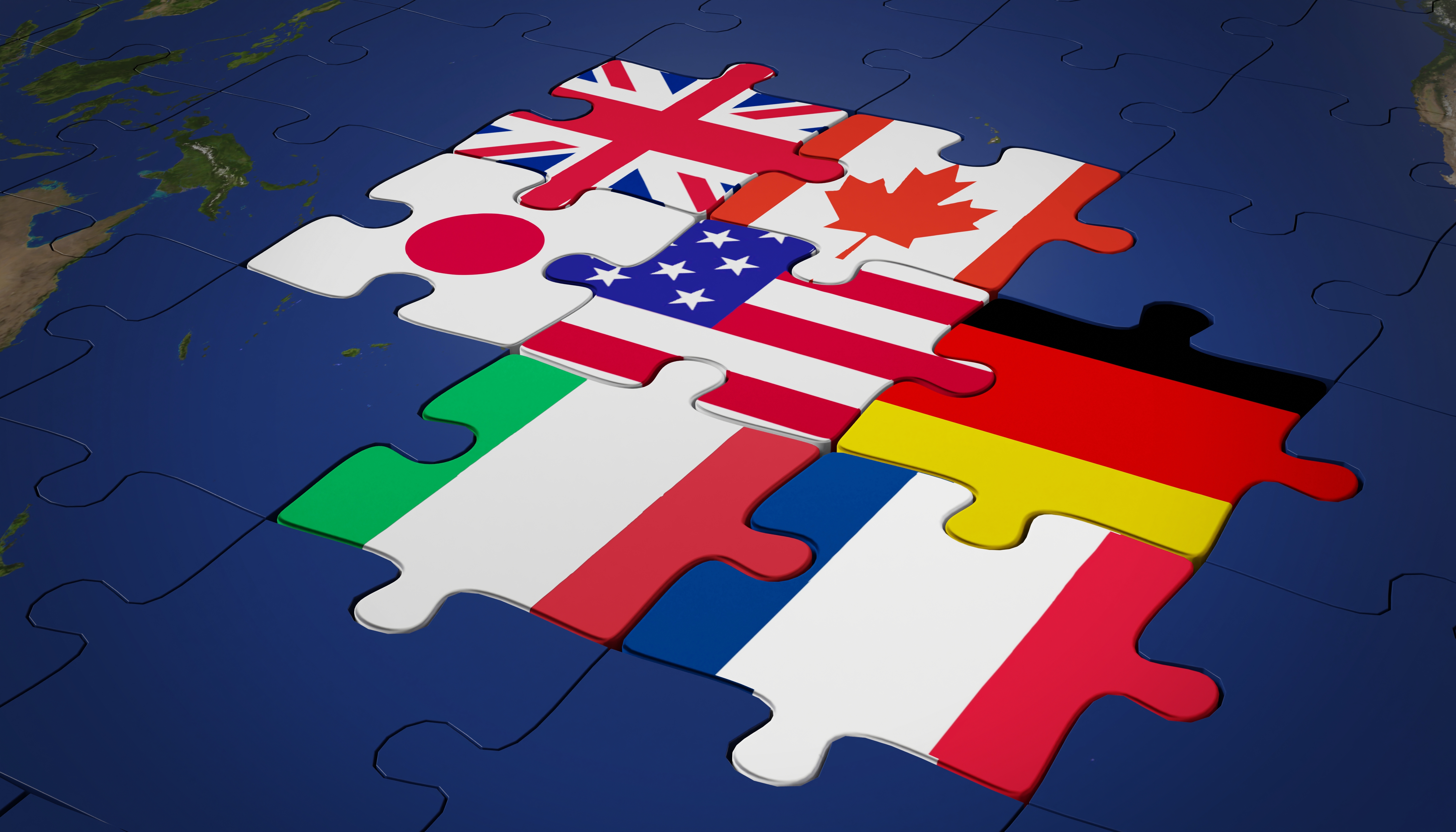
The contemporary international system is increasingly described as multipolar, yet this characterization remains analytically contested and politically ambiguous. The paper argues that the future relevance of the G7 depends not on expanding its membership, but on developing structured forms of engagement that preserve its core attributes while extending its reach. The paradox between inclusivity and functionality is especially visible in the case of the G7. As emerging powers are central to this process, the paper examines Brazil as a potential bridge actor, whose capacity to facilitate engagement depends on issue-specific dynamics and external perceptions. The paper concludes with policy recommendations for the French G7 presidency.
Published
How to Cite
Issue
Section
License
Copyright (c) 2026 CEBRI-Revista: Brazilian Journal of International Affairs

This work is licensed under a Creative Commons Attribution 4.0 International License.
Os Direitos Autorais dos artigos publicados na CEBRI-Revista pertencem ao(s) seu(s) respectivo(s) autor(es), com os direitos de primeira publicação cedidos à CEBRI-Revista, com o trabalho simultaneamente licenciado sob uma Licença Creative Commons CC BY 4.0, a qual permite o compartilhamento do trabalho com reconhecimento da autoria e publicação inicial nesta revista.
O(s) autor(es) tem/têm autorização para assumir contratos adicionais separadamente, para distribuição não-exclusiva da versão do trabalho publicada nesta revista (ex.: publicar em repositório institucional ou como capítulo de livro), com reconhecimento de autoria e publicação inicial nesta revista.
Autores têm permissão e são estimulados a publicar e distribuir seu trabalho online (ex.: em repositórios institucionais ou na sua página pessoal) a qualquer ponto antes ou durante o processo editorial, já que isso pode gerar alterações produtivas, bem como aumentar o impacto e a citação do trabalho publicado.
<a rel="license" href="http://creativecommons.org/licenses/by/4.0/"><img alt="Licença Creative Commons" style="border-width:0" src="https://i.creativecommons.org/l/by/4.0/88x31.png" /></a><br /><span xmlns:dct="http://purl.org/dc/terms/" property="dct:title">CEBRI-Revista: Brazilian Journal of International Affairs</span> está licenciado com uma Licença <a rel="license" href="http://creativecommons.org/licenses/by/4.0/">Creative Commons Atribuição 4.0 Internacional</a>